Upload, fax, mail or email?
Insurance paperwork carries exactly what an identity thief wants: your name, address, date of birth, license number and sometimes bank details. How you send it matters.
| Method | Rating | For | Watch out |
|---|---|---|---|
| Insurer's website or app upload | Best | Encrypted, goes straight into your claim file, and you get a confirmation. | Use it whenever it is offered. |
| Fax | Good | Travels over the phone network to one machine, and prints a confirmation page. | Dial carefully: a wrong digit sends your papers to a stranger. |
| Mail, with tracking | Good | Nothing electronic to intercept, and tracking proves delivery. | Slow. Send copies, never originals. |
| Ordinary email | Weakest | Quick and familiar. | Usually not encrypted end to end, and stays in two mailboxes indefinitely. Avoid for anything with a license or bank number. |
Why insurers still accept fax
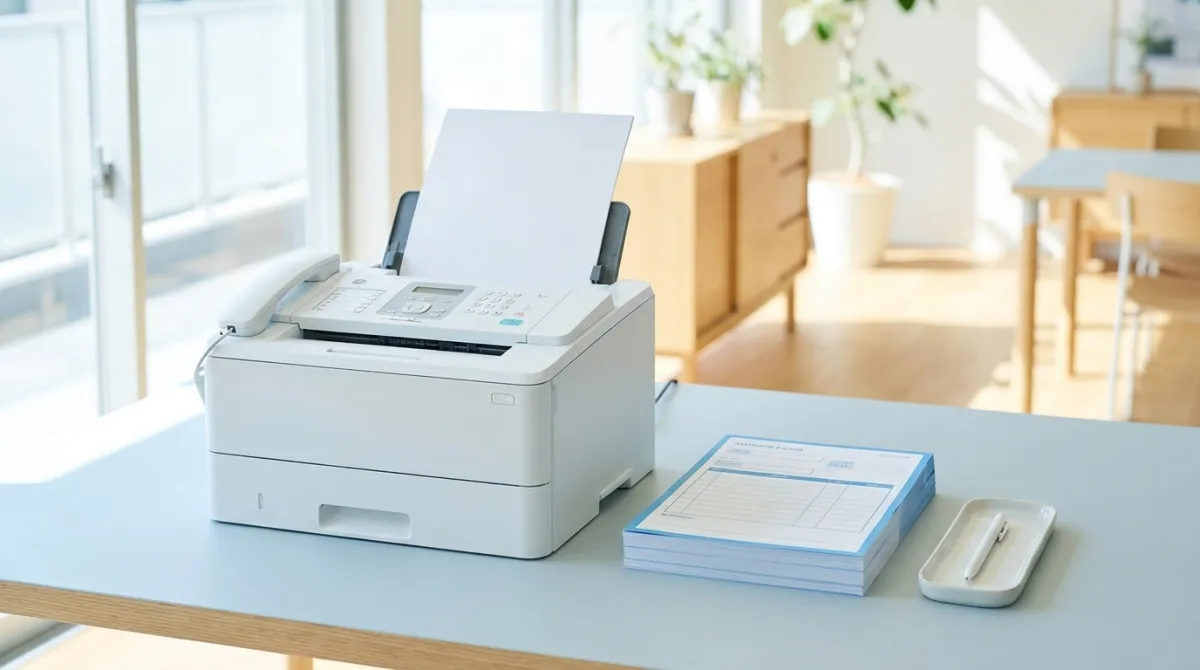
A fax goes to one known machine and produces a dated confirmation, which is useful when a deadline is involved. Many claims departments, body shops, lenders and motor vehicle offices still list a fax number for that reason.
If you do not own a fax machine
Most libraries, office supply shops and shipping shops will send one for a small charge per page. Online fax services send from a computer or phone; choose one that states how long it keeps your documents and lets you delete them.
Sending by mail
Use a service that records delivery, and keep the receipt with your copy.
Checklist
- Get the fax number from the insurer's own letter, website or adjuster. Never from a search result.
- Write your claim or policy number on every page, top right.
- Number the pages: 1 of 5, 2 of 5.
- Use a cover sheet that names the person it is for.
- Send copies. Keep the originals.
- Keep the confirmation page with the time and number on it.
- Call the next day to confirm it reached your file.